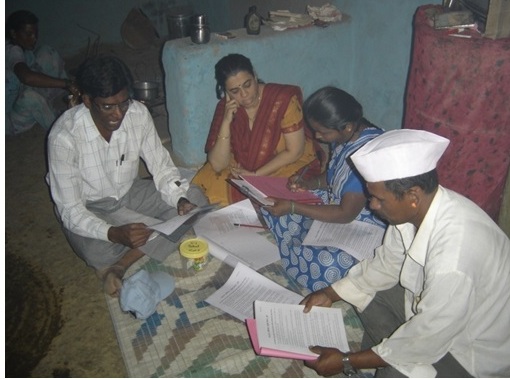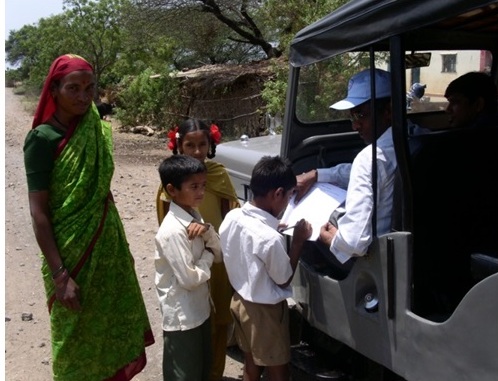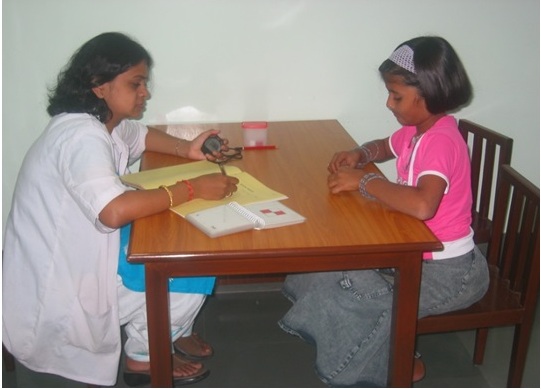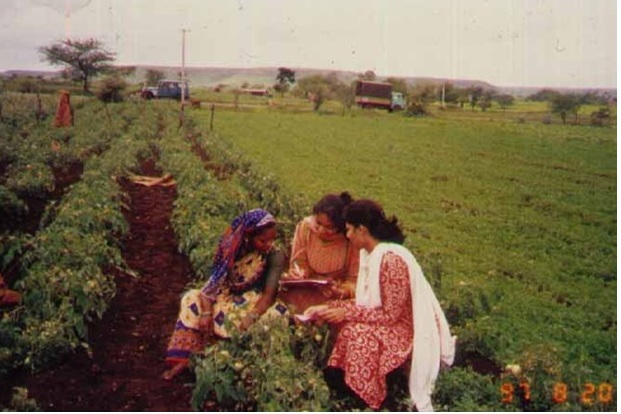
The Diabetes Unit (DU) at KEM Hospital, Pune is a trailblazing centre in Western India, leading the way in diabetes research, comprehensive care, and management. It aims to provide holistic support for individuals living with diabetes, and is known for its innovative ‘Diabuddy’ support model. A ‘Diabuddy’ is an experienced or seasoned Type One Diabetes (T1D) patient or caregiver who acts as a mentor for newly diagnosed T1Ds and their parents, helping them to deal with non-medical challenges of living with T1D.
The Diabuddy concept was first launched by the International Diabetes Federation to ensure that students with Type One Diabetes are safe, empowered and accepted within their school community. Management of T1D involves checking blood sugar levels and taking insulin injection daily. T1D patients and caregivers need to adjust the insulin doses as per variation in food, exercise and during illness. Patients are required to take many decisions on their own in certain situations such as when at a party, during travels, while engaging in exercise, etc. To assist patients and caregivers, the Diabetes Unit has also conceptualised the ClubOne KEM platform, which is designed to maximise informal interaction of people with T1D with one other and with their healthcare providers; this facilitates patient engagement and empowerment.
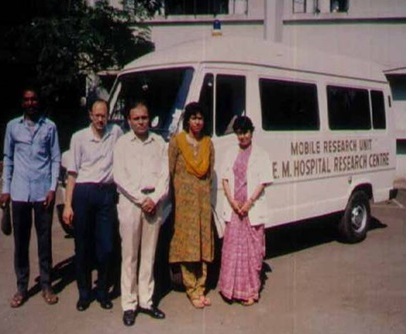
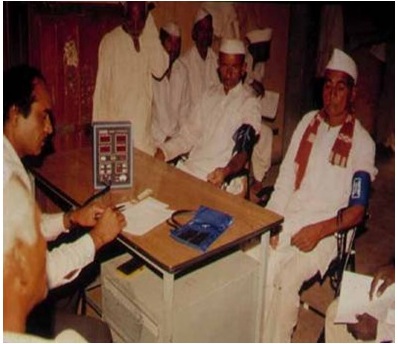
A leader in the epidemiology of Diabetology and related disorders, the Unit launched its first study in 1987. The ‘Welcome Diabetes Study’ established that Indians get diabetes at a younger age and at lower body mass index (BMI, a measure of body weight in relation to height). This is associated with ‘central obesity’ as measured by a larger waist to hip ratio. Further research showed that Indians have higher fat in the body for each kilogram of weight compared to European populations. These observations explained the heightened susceptibility of Indians to diabetes and related disorders.
The unit’s studies on the make-up of the ‘thin fat Indian’, foetal programming, and maternal nutrition and metabolism have put it on the global map for research and intervention